Come Explore!

Curiosity is all you need.

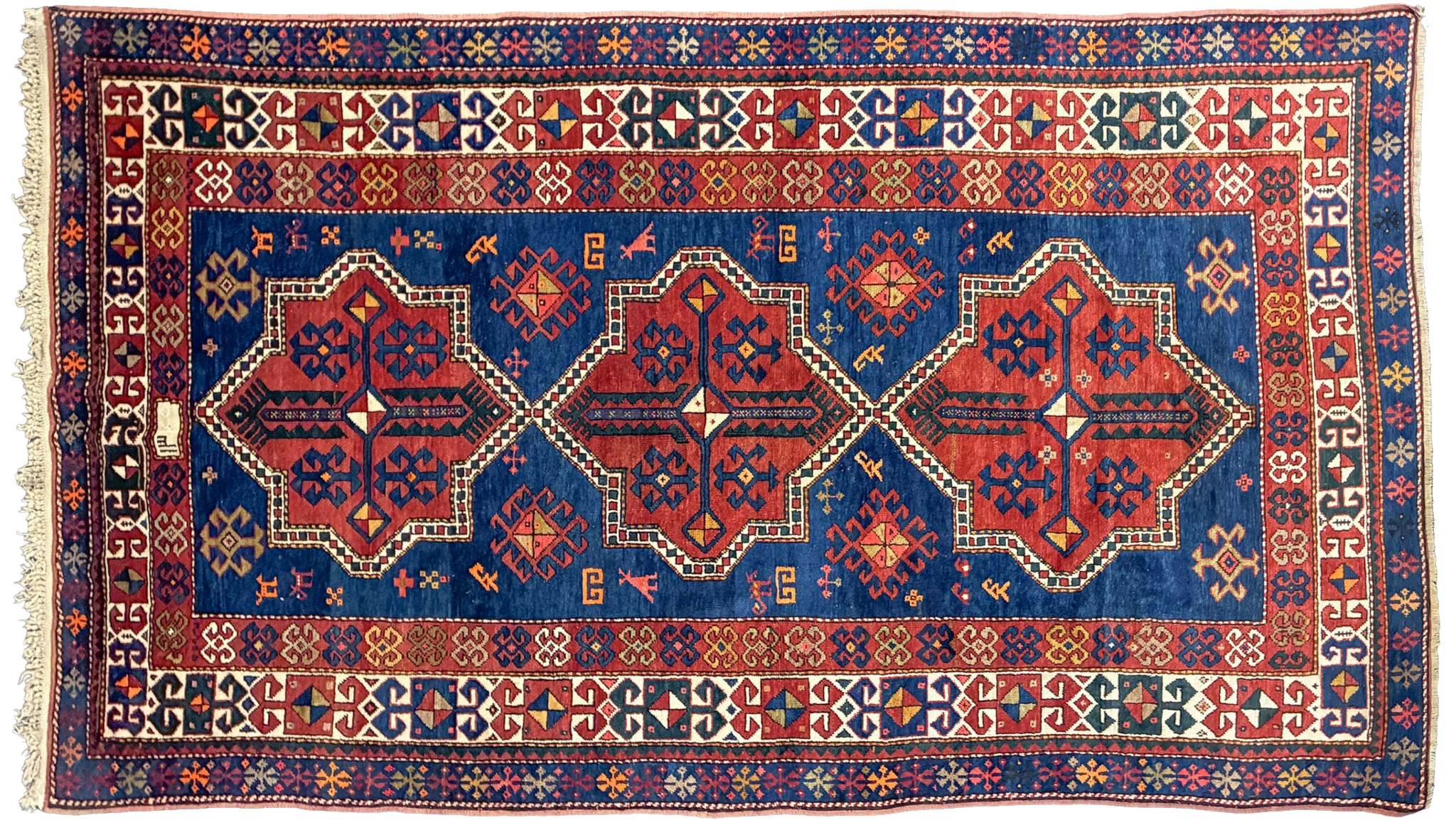
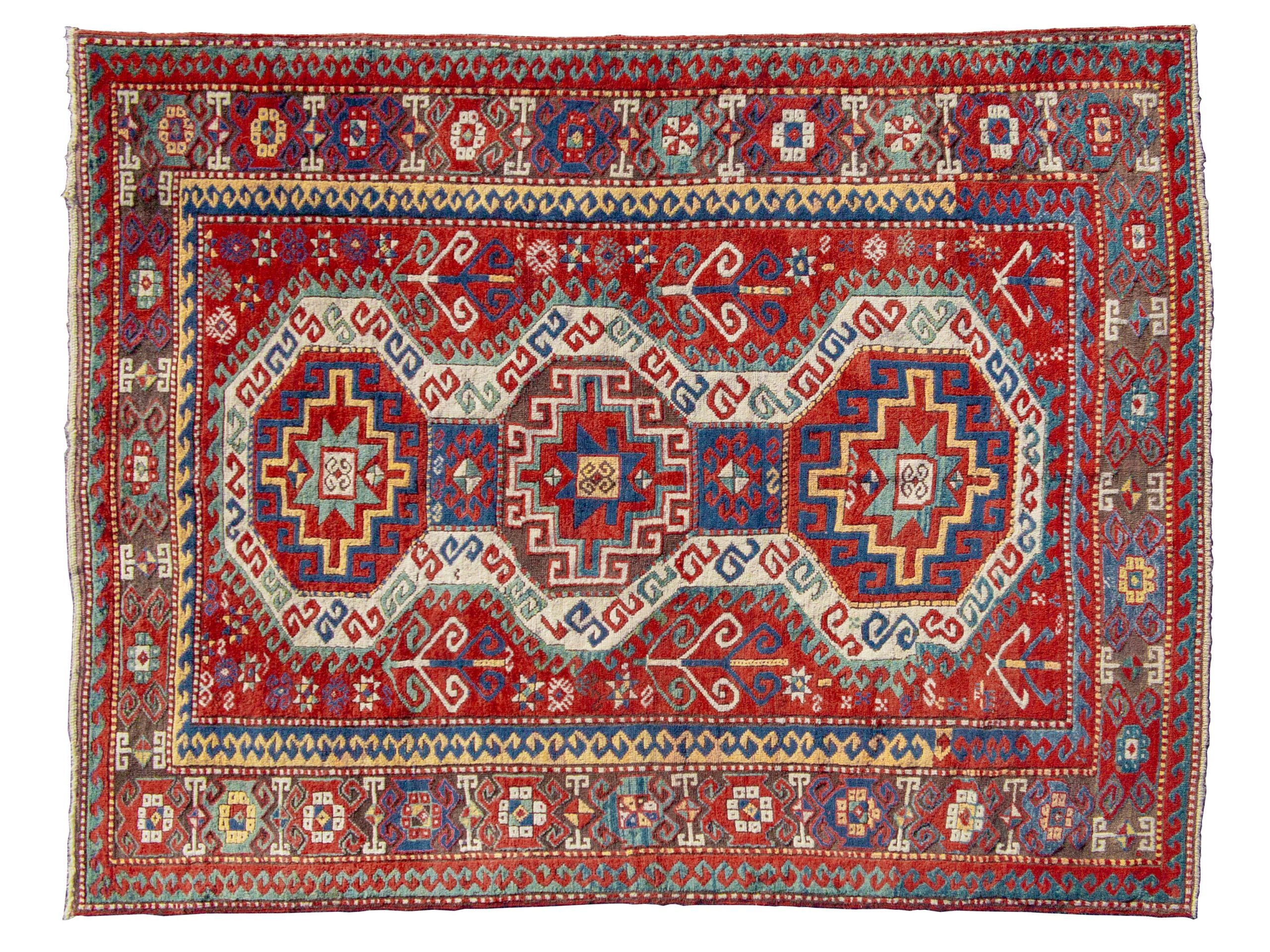
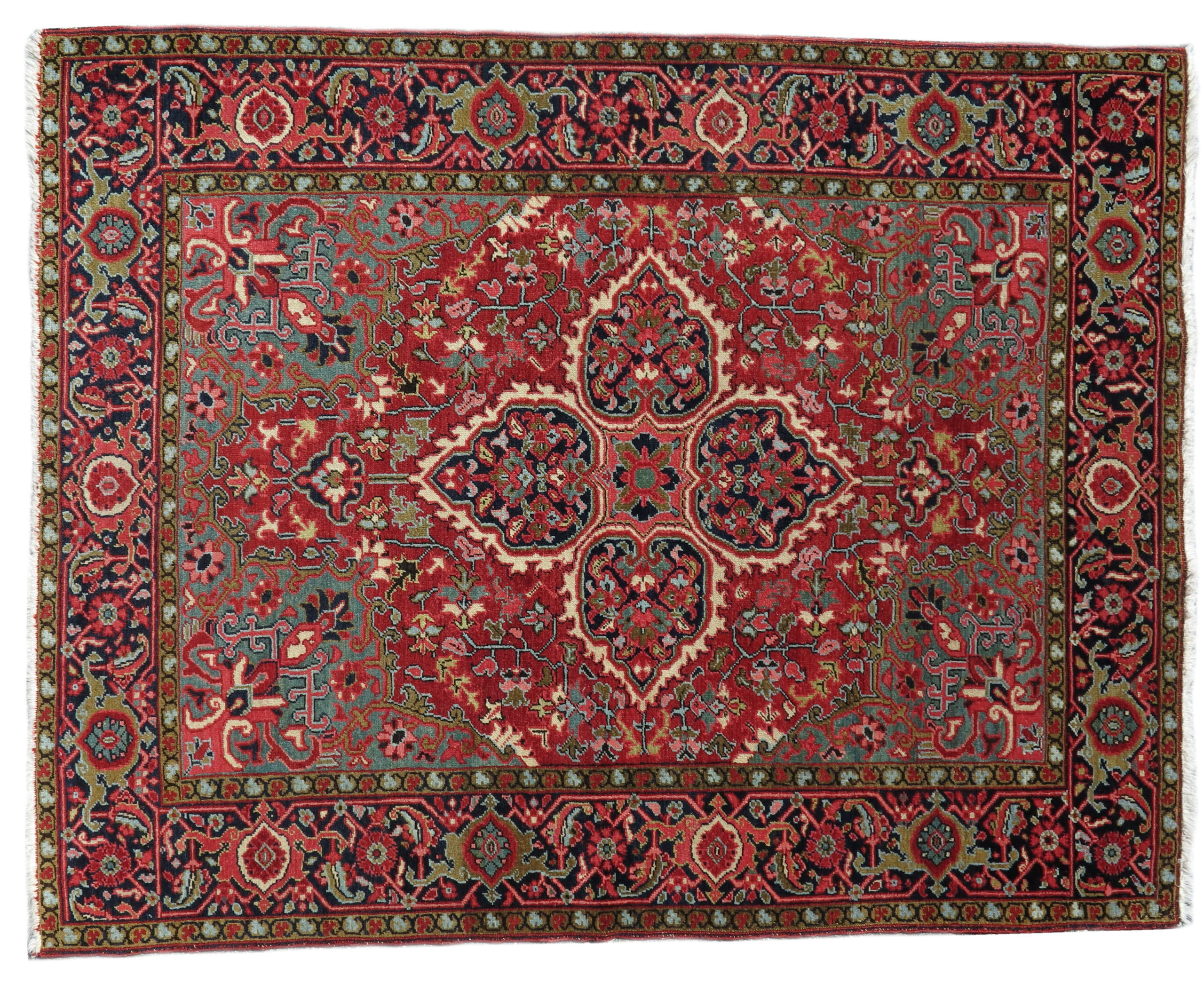
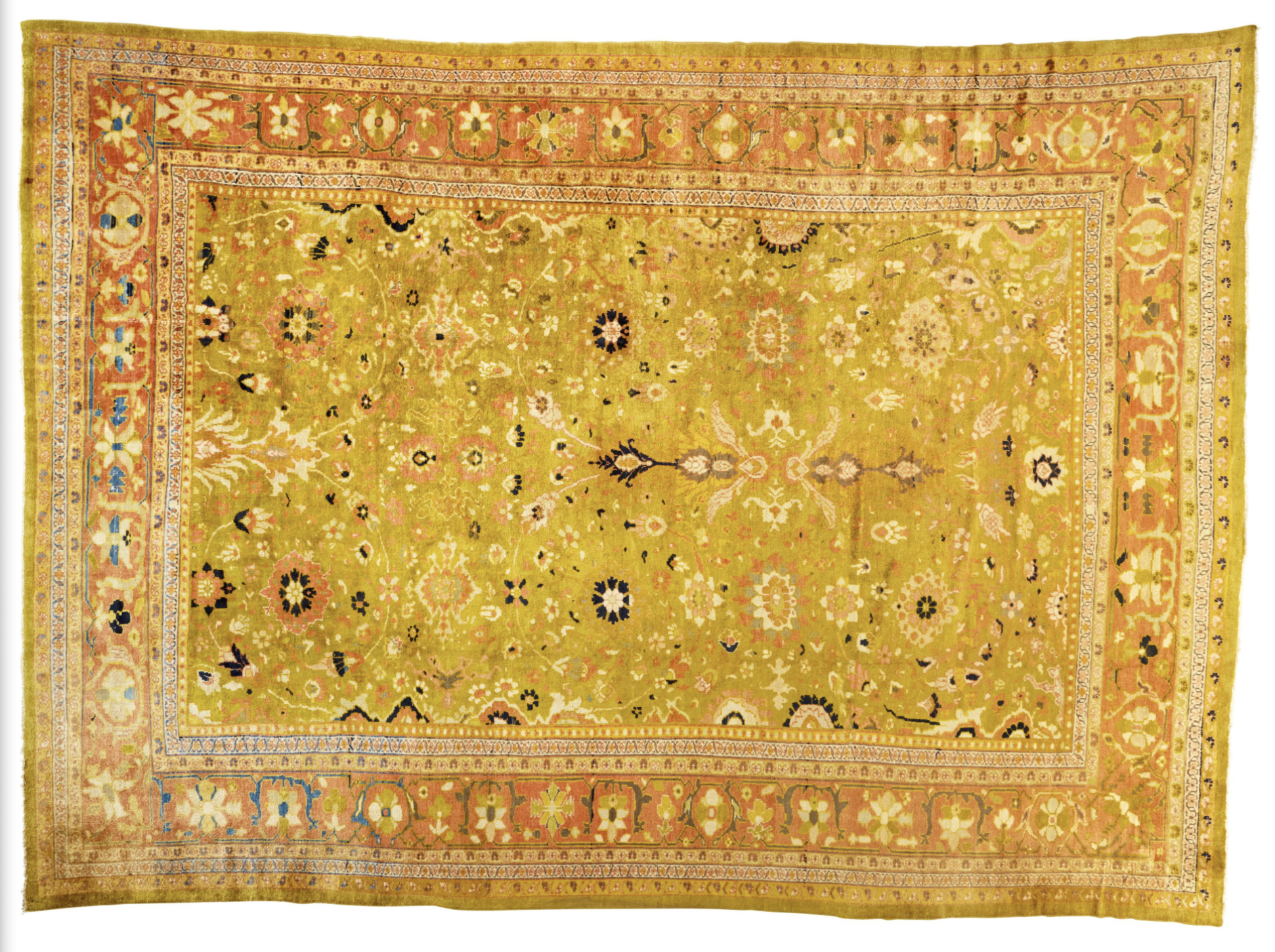
For thousands of years, people have woven textiles to meet practical needs, express creativity, preserve traditions, and communicate ideas. Every handwoven textile carries traces of the people who made it, the landscape in which they lived, and the materials available to them.

Whether woven in the mountains of the Caucasus, the villages of Anatolia, the deserts of Persia, or the high plateaus of Tibet, these textiles tell stories about everyday life, family, identity, and craftsmanship.

These pages are an invitation to explore those stories.

You don’t need to become an expert to appreciate handwoven textiles. A basic understanding of how they are made, where they come from, and why they differ from one another often transforms the experience of looking at them.


THE WEAVERS

Weaving Traditions and the People Who Create Them

Weaving Traditions and the People Who Create Them

A weaving tradition is the shared knowledge, skills, materials, and designs that develop within a community over generations. Shaped by local resources, ways of life, and cultural values, each tradition reflects the people who create it and the world in which they live.

Although weaving traditions often share techniques and influence one another, each has developed its own distinctive character. Understanding these traditions provides a foundation for appreciating the remarkable diversity found in handwoven textiles.

(DESCRIBE THE COMPLEXITY OF THIS IN REALITY)

Different Ways of Life

Handwoven textiles have been created in many different settings. Some were woven by nomadic families who moved seasonally with their herds, others by settled village communities, and still others in towns, cities, workshops, and royal courts. Each way of life shaped the materials, techniques, designs, and character of the textiles that were created.

The following pages introduce the principal weaving communities and the distinctive traditions that developed within them.


HOW HANDWOVEN TEXTILES ARE MADE

The Art of Handwork

Although handwoven textiles are created in many different ways throughout the world, they all begin with the work of human hands. The materials, tools, and techniques vary from one weaving tradition to another, but each reflects generations of knowledge, skill, patience, and practice.

Understanding the craft of handwork provides a foundation for appreciating the remarkable variety found in handwoven rugs and textiles. The sections below introduce the basic materials, tools, and techniques used in handweaving, providing a starting point for understanding how these remarkable textiles are created.


THE LANGUAGE OF TEXTILES

Start Looking…

Human beings have always communicated through more than words. Throughout history, ideas, beliefs, identities, and traditions have been expressed through images drawn, carved, painted, woven, or inscribed onto cave walls, pottery, skin, paper, wood, metal, stone, hides, and textiles. Across cultures, visual symbols became a way to preserve knowledge, express identity, celebrate important events, and communicate shared understandings.

Handwoven textiles became one of these visual languages. Within many weaving traditions, colors, motifs, and patterns were repeated because they carried meaning within a community. Some reflected shared beliefs or cultural traditions. Others drew inspiration from everyday life, the natural world, or the hopes and experiences of the people who created them.

Although the meanings of many motifs have been documented, others remain uncertain or are interpreted differently by scholars, collectors, and weavers themselves. Learning to recognize these patterns is not about memorizing a dictionary of symbols. It is about understanding that many handwoven textiles were created by people who communicated not only through words, but also through the images they chose to weave.


THE SEARCH FOR AUTHENTICITY

PLACEHOLDER

PLACE HOLER


WHAT'S IN A NAME?

PLACEHOLDER

PLACE HOLER


WHERE RUG COMES FROM

PLACEHOLDER

PLACE HOLER


CARE

PLACEHOLDER

PLACE HOLER


Scroll to Top